Subject mastery
The writer must truly understand the material, including the edges where easy summaries break.
Correct. Readable. Built for understanding. Made for the Indian child—and designed to belong in an ordinary school bag. The printed book is the thing you pay for—it goes on sale soon; the learning inside it is already free on your phone. That is the whole model—no subscription, no sales calls.
Every familiar kind of textbook makes a trade-off.
For a long time, these almost never converged at an affordable price—and that was a structural constraint, not a failure of writers, teachers, or publishers.
The writer must truly understand the material, including the edges where easy summaries break.
The explanation has to land for a ten-year-old without becoming less true.
Editing, diagrams, page design, pacing, and the visual attention a child deserves.
We do not leave the word to taste alone. Every Manthika book—and every alternative we compare it with—is judged against the same five things.
Correct and complete: on the syllabus, with no quiet gaps and no facts a teacher has to repair later.
Written at the child’s grade without watering down the real idea. Plain language is a discipline, not a shortcut.
Explained from the child’s world, with reasons and connections—not a page designed only to be memorised.
A human voice, a pace that leaves room to think, and a reason to turn the page.
Every picture teaches. The visual world is Indian-rooted and globally aspirational.
And all five have to fit inside an affordable book.
Where a quality can be tested, we test it. Where an honest score has a ceiling—voice, engagement, beauty—we show the work instead of inventing a number.
Flesch–Kincaid reading grade, measured across the full English-language books. The dashed line is the child’s actual grade; gold is the distance above it.
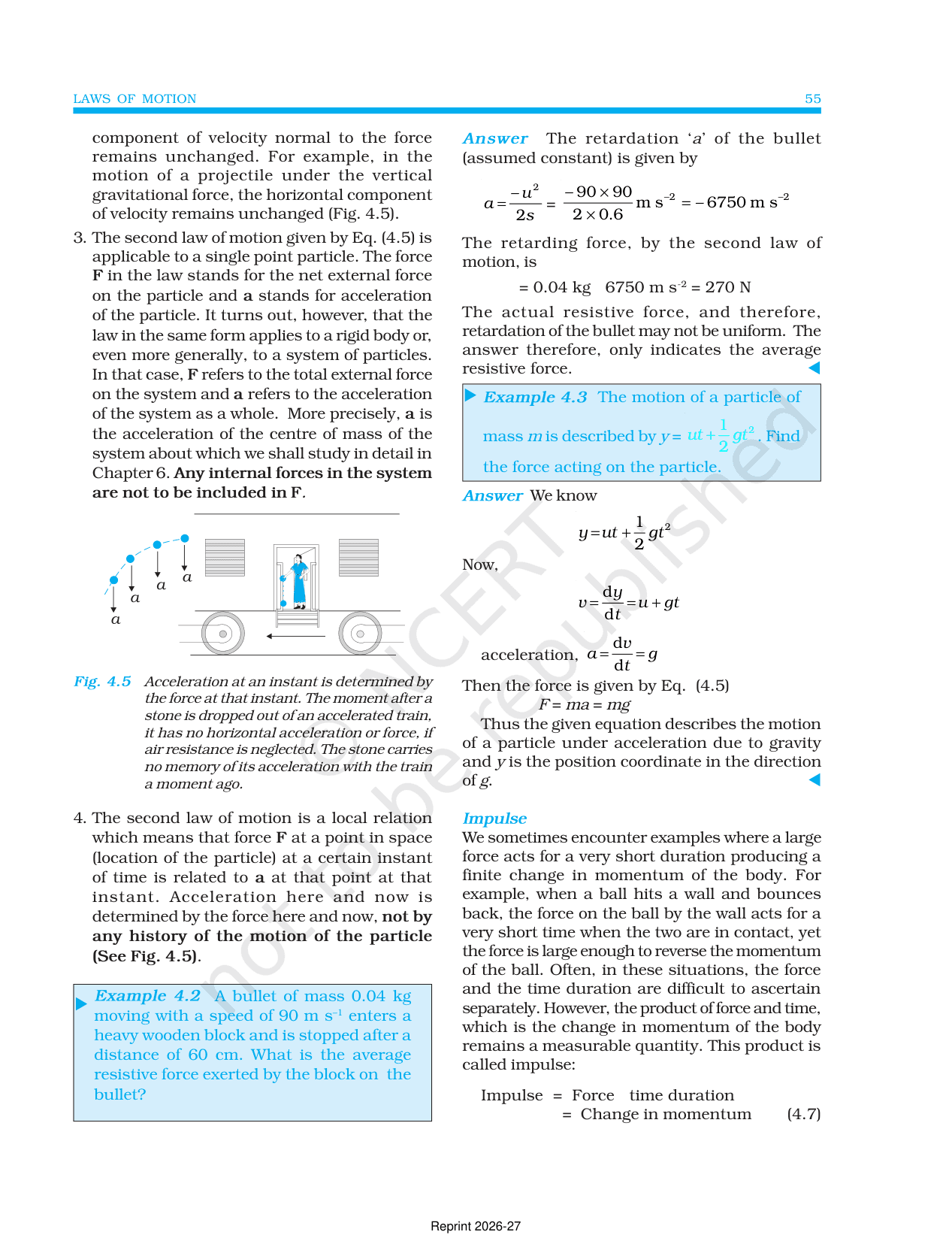
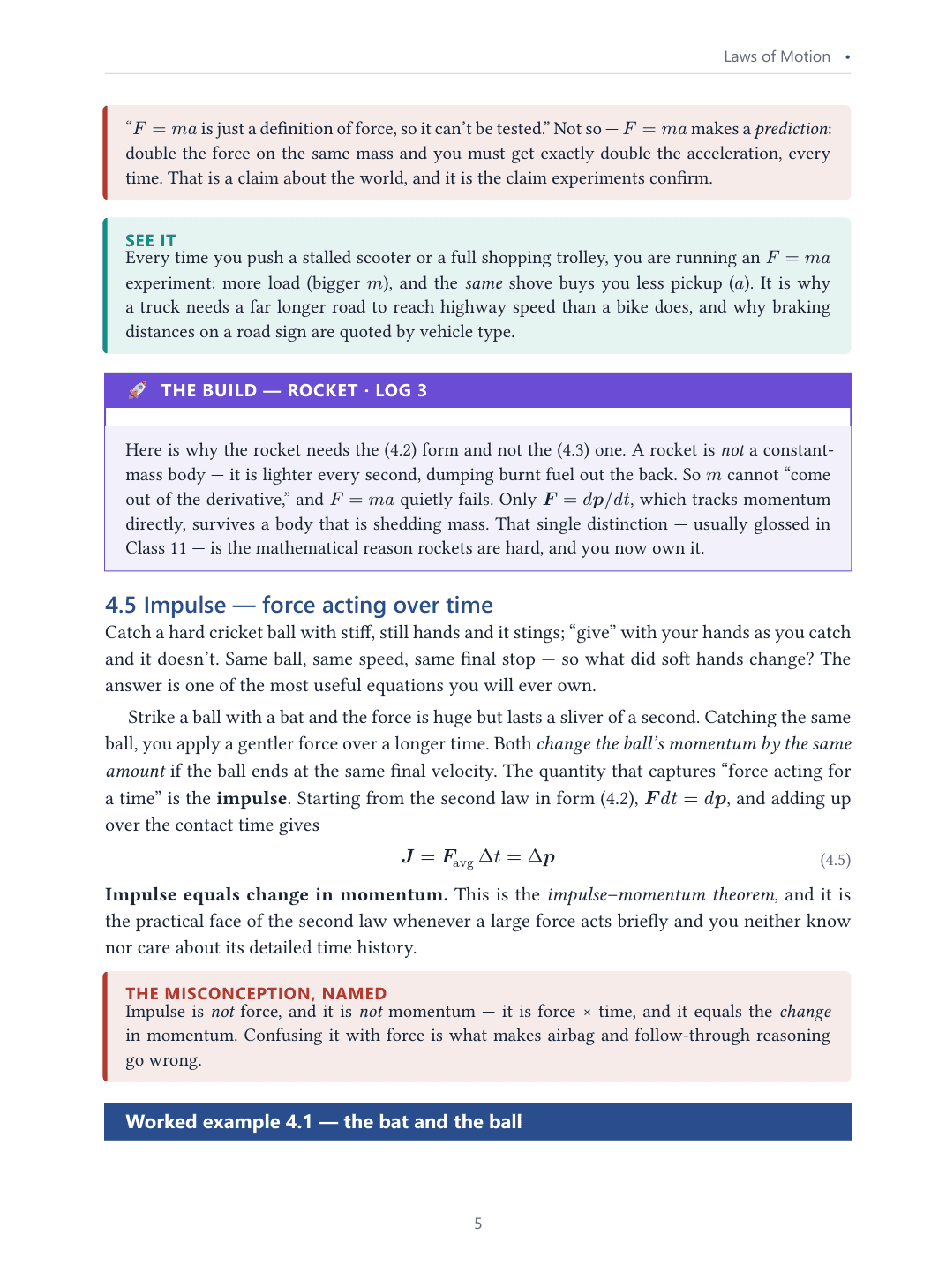
These are real pages from the same Class 11 Physics concept. The content stays serious; the pacing, hierarchy, and explanation change.
A lighter page is not a childish page. It is a choice about information density: one thought at a time, with each diagram doing teaching work.
The same written standard travels from the syllabus to the finished page, then feeds what we learn into the next book.
Turn the syllabus into a precise checklist, study the best explanations, and lock what the book must teach.
Write into a fixed house design, build diagrams and examples, then run page-level quality gates.
Put the book through structured expert and reader review, fix it, and feed the lesson forward.
A textbook can be cheap, available, and technically complete—and still be too dense to teach from. We believe every child is owed both access and quality. The tools finally make both possible at once; our job is to hold the line.